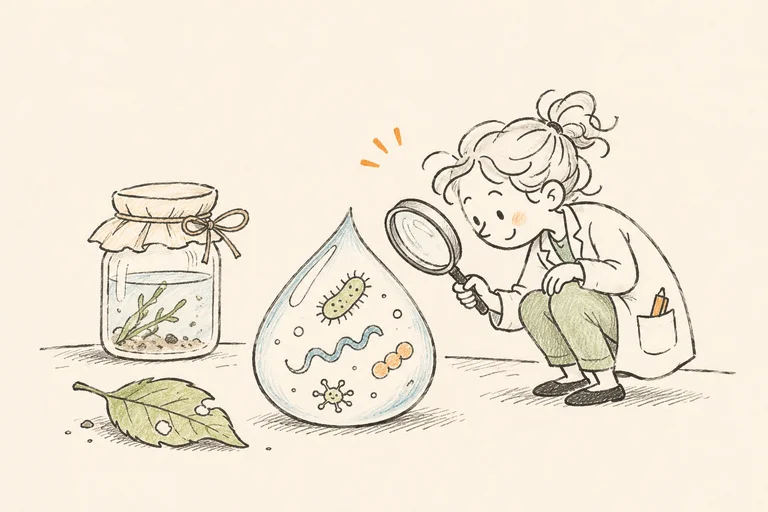
Microbial genomics
- Microbial community profiling in host-associated and environmental metagenomes
- Gene-centric analysis of microbial functions
- Viral diversity, classification, and host associations
Computational biology & bioinformatics
Postdoctoral Fellow
Department of Information Engineering
The Chinese University of Hong Kong
Starting January 2027
Assistant Professor, AI Thrust, HKUST (Guangzhou)
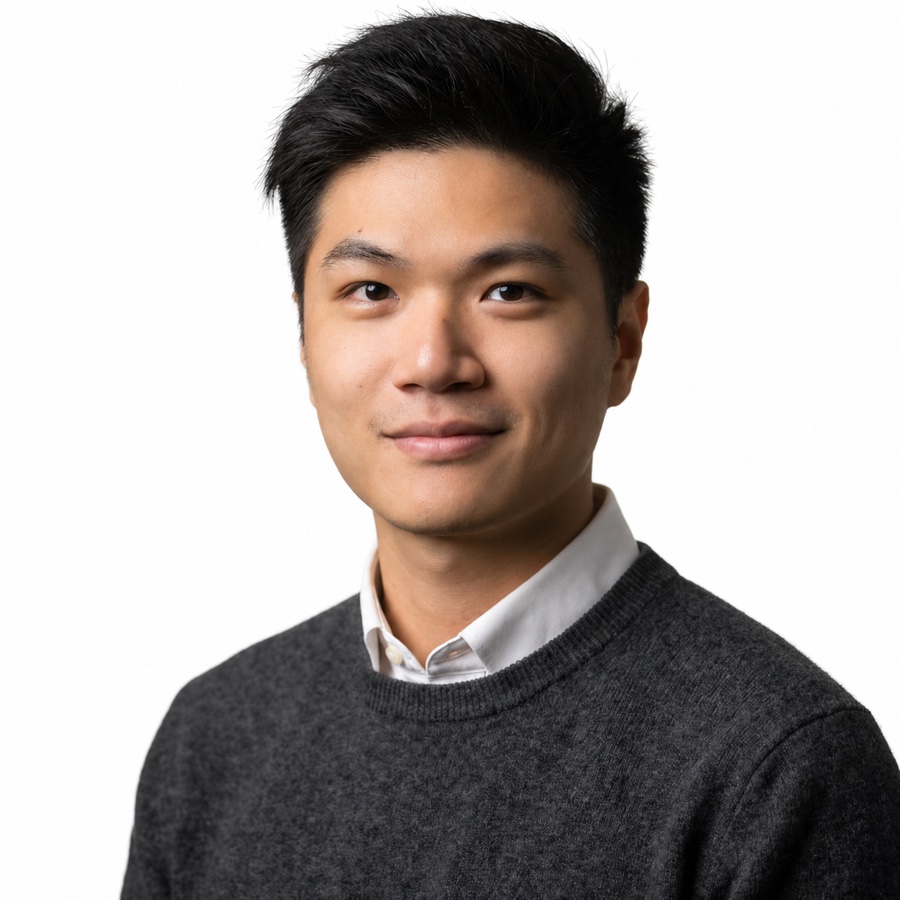
I am a postdoctoral fellow in the Department of Information Engineering at The Chinese University of Hong Kong. In January 2027, I will join the Artificial Intelligence Thrust at the Information Hub of The Hong Kong University of Science and Technology (Guangzhou) as an assistant professor. I received my PhD in Electrical Engineering from City University of Hong Kong, where I was advised by Prof. Yanni Sun, and completed my undergraduate studies at Sun Yat-sen University.
I develop machine learning methods and bioinformatics tools to study microbial communities and interpret biological sequences. I use large-scale sequencing data to characterize microbial and viral diversity, infer protein function, and investigate links between the human gut microbiome and disease.
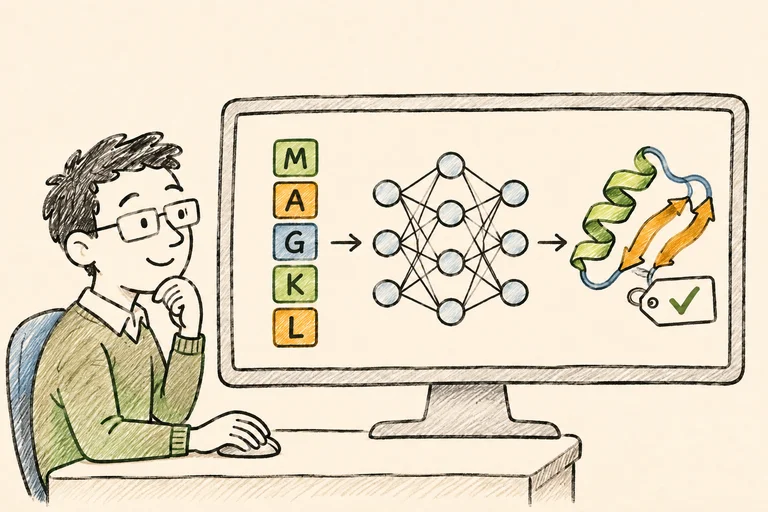
SeekRBP combines protein sequence and structural information to identify receptor-binding proteins in bacteriophages. These proteins help determine which bacteria a phage can recognize.
ViralQC checks assembled viral sequences for completeness and contamination. TPMM detects DNA inversions in metagenomes, including samples where sequencing coverage is sparse.
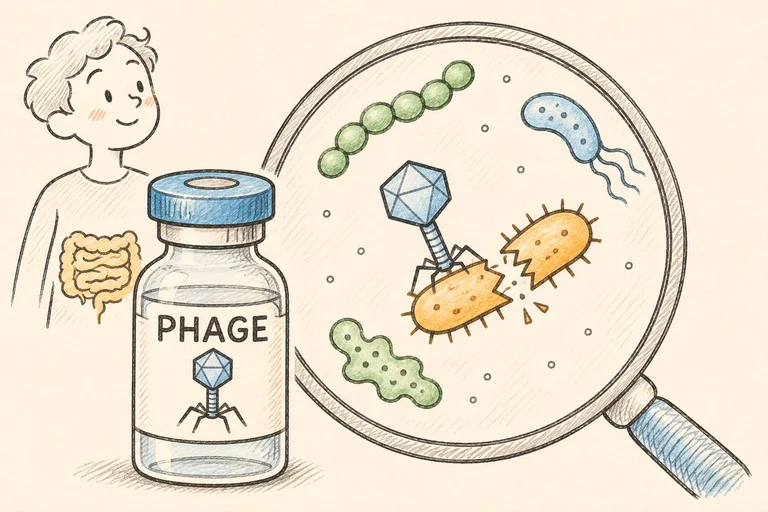
PhageMind predicts phage hosts at the level of individual bacterial strains. We designed it to work across bacterial groups even when few known phage–host pairs are available for training.
Luo, X., Ou-Yang, L., Shen, Y., Guan, J., Cai, D., Zhang, J., Xing, G., Sun, Y., & Shang, J.
Bioinformatics · Co-corresponding author
Shen, Y., Shi, K., Yu, C., Zhang, R., Sun, Y., & Shang, J.
Bioinformatics · ISMB 2026 · Co-corresponding author
Shang, J., Peng, C., Guan, J., Cai, D., Wang, D., & Sun, Y.
Nucleic Acids Research · PhaBOX web server
Shang, J., Peng, C., Guan, J., Cai, D., Wang, D., & Sun, Y.
Briefings in Bioinformatics
Qu, F., Peng, C., Guan, J., Wang, D., Sun, Y., & Shang, J.
Bioinformatics · ISMB/ECCB 2025 · Co-corresponding author
Shang, J., Peng, C., Ji, Y., Guan, J., Cai, D., Tang, X., & Sun, Y.
Bioinformatics